Eyeing your first condo, townhome, or small single-family home near a Metro stop in Arlington? You are not alone. Demand is strong in the Rosslyn to Ballston corridor and around National Landing, and the best listings can move quickly. This guide gives you a clear plan, local tradeoffs to consider, and practical checklists tailored to Arlington. Let’s dive in.
Arlington market at a glance
Arlington is a high-demand, transit-focused market next to Washington, DC. Homes near Metro stations and major bus corridors often sell faster and command price premiums. That convenience can be worth it, but it comes with tradeoffs like noise, parking limits, and building rules.
Inventory can be tight in popular areas such as Rosslyn, Courthouse, Clarendon, Ballston, Crystal City, and Pentagon City. If you want to live within easy walking distance of Metro, expect more competition and be ready to act decisively with a strong pre-approval.
Neighborhoods vary by lifestyle and housing stock. The Rosslyn–Ballston corridor is more urban with many condo options. Farther from rail, you will see more small single-family homes in quiet pockets, often with different parking and yard setups.
Housing types near Metro
Condos
Condos offer the lowest single-lot cost and great walkability. Many buildings include amenities such as a fitness room, pool, or concierge. Monthly condo fees can vary widely depending on amenities and whether utilities and parking are included.
Before you buy, review the full resale packet. Look closely at the budget, reserve study, recent meeting minutes, insurance master policy, rental rules, and parking details. Watch for red flags like low reserves, pending special assessments, frequent rule changes, or strict rental caps if you plan to rent later.
Building age matters. Older mid-century buildings may be working through big capital projects such as roofing, façade, or elevator replacements. Ask about recent and planned projects and how they were funded.
Townhomes
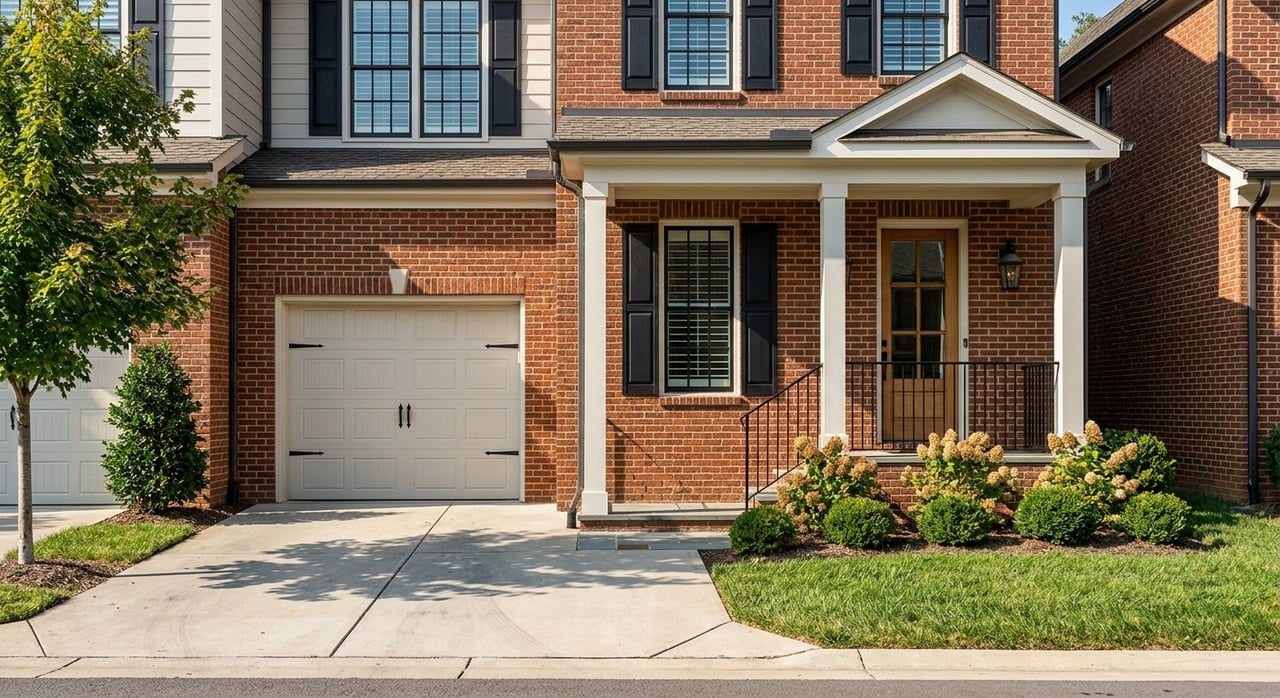
Townhomes give you more space and privacy with lower maintenance than a detached home. Some communities have small HOAs that handle common areas, snow removal, or exterior items. Near Metro, private parking can be limited, so verify your space and street parking rules.
For many first-time buyers, townhomes balance space, cost, and maintenance. They also appeal at resale to buyers who want more room than a condo without the overhead of a large yard.
Small single-family homes
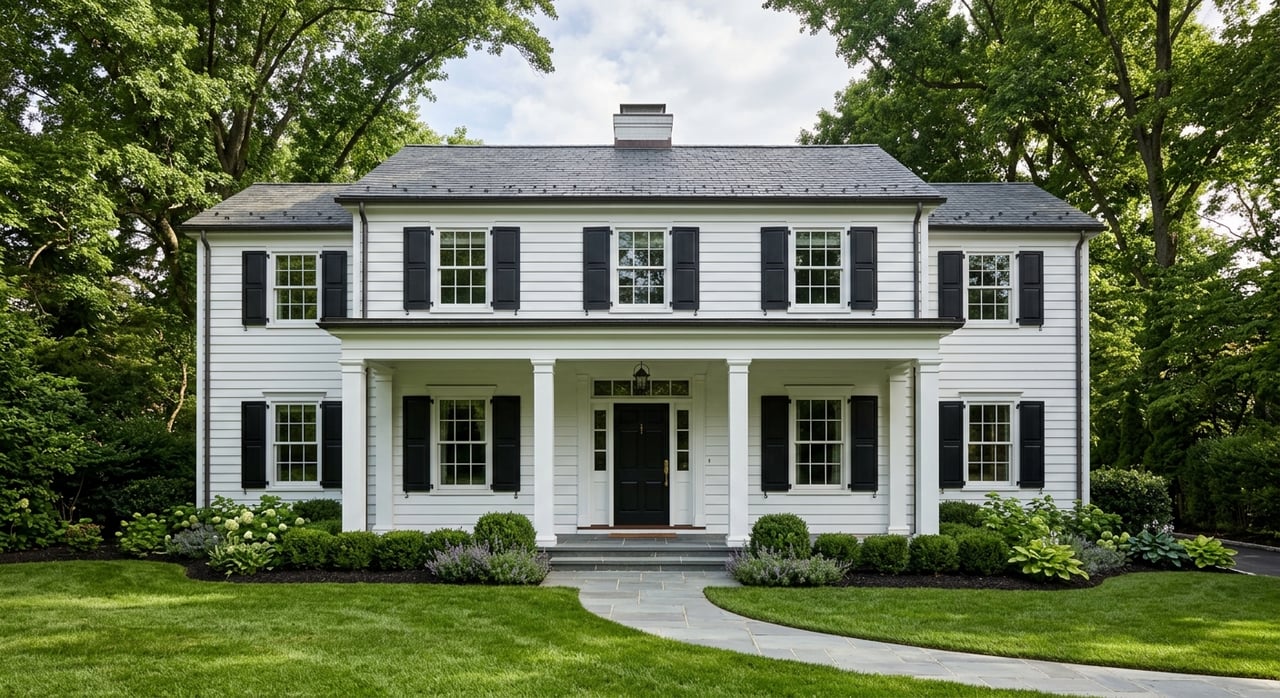
Small detached homes provide the most privacy and control. In Arlington, lots can be modest and homes may be older styles such as craftsman or colonial. You take on full responsibility for maintenance, so check the roof age, foundation and drainage, chimney and flashing, and electrical capacity.
If you plan future additions, review local zoning and setbacks. Infill development is common, so it is wise to understand what is possible on the lot before you buy.
Proximity to Metro
Living within a comfortable walk to a station often means a price premium and faster sales. You may also encounter tradeoffs such as train noise, limited on-street parking, or higher fees for assigned parking. If street parking is important to you, confirm local rules and building policies before you write an offer.
Arlington’s policies support transit-oriented development in targeted corridors. If you are long-term planning, check neighborhood plans and any posted redevelopment updates that could affect your block.
Budget and financing basics
As a first-time buyer, your financing plan is your foundation. A strong pre-approval can make your offer stand out and helps you set a realistic budget.
- Conventional loans often allow as little as 3% down for qualified first-time buyers, with mortgage insurance when you put less than 20% down.
- FHA loans typically allow 3.5% down, subject to current rules and credit.
- VA loans offer zero-down options for eligible veterans and active-duty service members, with different fee structures.
- State and local assistance may be available for down payment or closing costs. Check current programs through Virginia Housing and Arlington County.
Lenders look at your debt-to-income ratios to qualify you. Many programs target a front-end housing ratio around the low 30% range and a back-end total debt ratio up to the mid 40% range, depending on the program and lender. Your pre-approval will give you a clear maximum purchase price based on your income, debts, and credit.
Plan for closing costs, which often include lender fees, title insurance, recording, escrow reserves, and prepaids for taxes and insurance. A common rough range is 2 to 5 percent of the purchase price, but specifics vary by program. Some lenders may require you to have cash reserves after closing.
Include all monthly costs in your budget: principal and interest, Arlington property taxes, homeowner’s insurance, and any HOA or condo fees. For condos, know what the master policy covers versus what you need to insure inside your unit. For single-family homes, set aside funds for utilities, routine maintenance, and unexpected repairs.
Your step-by-step path to keys
Getting organized early reduces stress and speeds your timeline. Here is a simple sequence to follow.
Prepare before touring
- Pull your credit reports, correct errors, and pay down large balances when possible.
- Set a monthly payment range that includes taxes and any HOA or condo fees.
- Gather W-2s, pay stubs, bank statements, ID, and student loan details for the lender.
- Research neighborhoods for commute times, walkability, parking, schools, and local amenities.
Get pre-approved
Secure a written pre-approval from a lender before serious shopping. It shows your income and credit were reviewed and strengthens your offer. Local lenders familiar with Arlington and regional appraisals can help keep your timeline on track.
From offer to closing
In Virginia, the period from acceptance to closing commonly runs about 30 to 45 days, but you can negotiate shorter or longer. An inspection window is often 5 to 10 business days after ratification, with appraisal and underwriting happening in parallel.
Key milestones include depositing earnest money, completing inspections and any repair negotiations, finalizing appraisal and loan approval, and the title company preparing closing documents. Your agent will help coordinate each step.
Making a strong offer
Contingencies are protections you can include in your offer. Common ones cover financing, inspection, and appraisal. A home sale contingency is sometimes used but can be less competitive near Metro in tight inventory pockets.
In multiple-offer situations, sellers tend to prefer solid pre-approvals, reasonable earnest money, and clear timelines. Some buyers consider escalation clauses, larger deposits, or shorter contingency windows to be more competitive. Each of these adds risk, so weigh them carefully with your agent and lender.
Waiving key protections can make your offer stand out, but it reduces your ability to negotiate later. Make sure you understand the tradeoffs before you decide on your strategy.
Due diligence essentials
Inspections are your chance to understand the property’s condition.
- Condos: Ask about the building envelope, roofing, elevators, HVAC systems, plumbing stacks, and water intrusion history. Review common-area maintenance and any recent capital projects.
- Townhomes and small homes: Focus on foundation and drainage, basements or crawlspaces, roof age, chimney and flashing, electrical capacity in older homes, and HVAC lifespan.
Targeted testing can be smart in older housing. Consider radon testing, and be aware of potential lead-based paint in homes built before 1978 and possible asbestos in older materials. If the property is near low-lying areas or the Potomac, check flood risk and whether flood insurance may be required by a lender.
For condos and HOAs, request the full resale packet and read it. Look at bylaws, budgets, reserve studies, insurance declarations, recent minutes, and owner rules. Ask about special assessments, investor ownership levels, and any pending litigation.
For single-family homes, a survey can help confirm boundaries, easements, and improvements. Your title company or settlement agent will handle title review and closing paperwork.
Quick checklists
Before touring homes
- Get a written pre-approval.
- Set a max monthly payment that includes HOA or condo fees and taxes.
- List must-have features, acceptable tradeoffs, and deal-breakers.
- Decide how important a short walk to Metro is versus size or parking.
At showings: condos
- Clarify parking allocation, guest parking, and any fees.
- Confirm which utilities are included in the condo fee.
- Ask about the average monthly fee and recent increases.
- Review reserve levels, rental rules, pet policies, and any special assessments.
At showings: townhomes and small homes
- Ask about roof and HVAC age, foundation or drainage history, and any basement moisture.
- Check for nearby planned construction or known projects.
- Confirm boundary markers and whether a prior survey exists.
Ask the seller or HOA
- Latest budget and reserve study.
- Minutes from the last 12 months of meetings.
- Any pending or recent special assessments or litigation.
- Documentation of major repairs or capital projects.
Professionals to line up
- A local buyer’s agent who knows Arlington and Metro-adjacent inventory.
- A lender with local underwriting and appraisal experience.
- A home inspector familiar with Arlington housing stock.
- A title company or settlement agent to manage closing.
What to expect at closing
Before closing, you will complete a final walk-through to confirm condition. Your lender will provide a closing disclosure to review. You will wire your funds, sign documents with the settlement agent, and receive keys after recording.
Plan to switch utilities and arrange move-in with the building or HOA if required. Keep your closing packet for tax and insurance records.
Next steps
Buying in Arlington is competitive, but a clear plan and local guidance will help you move with confidence. Focus your search, get fully pre-approved, and be ready to review condo or HOA documents in detail. With the right team, you can secure the home that fits your budget and commute.
If you want help building your plan or touring homes near Metro, reach out to Bobby Pichtel. You will get local market insight, responsive communication, and a step-by-step path to the keys.
FAQs
What is the difference between pre-qualification and pre-approval?
- Pre-approval involves a lender reviewing your income, credit, and documents, which makes your offer stronger than a quick pre-qualification.
How long does it take to close in Arlington?
- From a ratified contract to closing, a common window is about 30 to 45 days, depending on your lender and negotiated timelines.
Are condo fees bad for affordability?
- Condo fees cover building costs and amenities, but they add to your monthly payment; include them in your budget and review reserves and any assessment history.
What contingencies should a first-time buyer include?
- Financing, inspection, and appraisal contingencies are common; tailor them to your risk tolerance and the competitiveness of the specific listing.
Do I need a survey for a small single-family home?
- A survey is recommended if boundaries or improvements matter, as it confirms lot lines, easements, and potential encroachments.
How close to Metro should I live?
- Properties within a short, comfortable walk often cost more and sell faster; weigh convenience against size, budget, parking, and noise tradeoffs.
What should I look for in a condo resale packet?
- Review the budget, reserve study, meeting minutes, insurance coverage, rental and pet rules, parking details, and any special assessments or litigation.
Can I use down payment assistance in Arlington?
- State and local programs may offer down payment or closing cost help; check current eligibility and availability through Virginia Housing and Arlington County.
What inspections are typical in Arlington?
- General home inspections are standard; consider radon testing and be aware of potential lead paint in older homes, plus targeted checks based on age and type.
How do I budget for closing costs?
- Plan for lender fees, title insurance, recording, escrow reserves, and prepaids; a rough estimate is often 2 to 5 percent of the purchase price, depending on your loan.