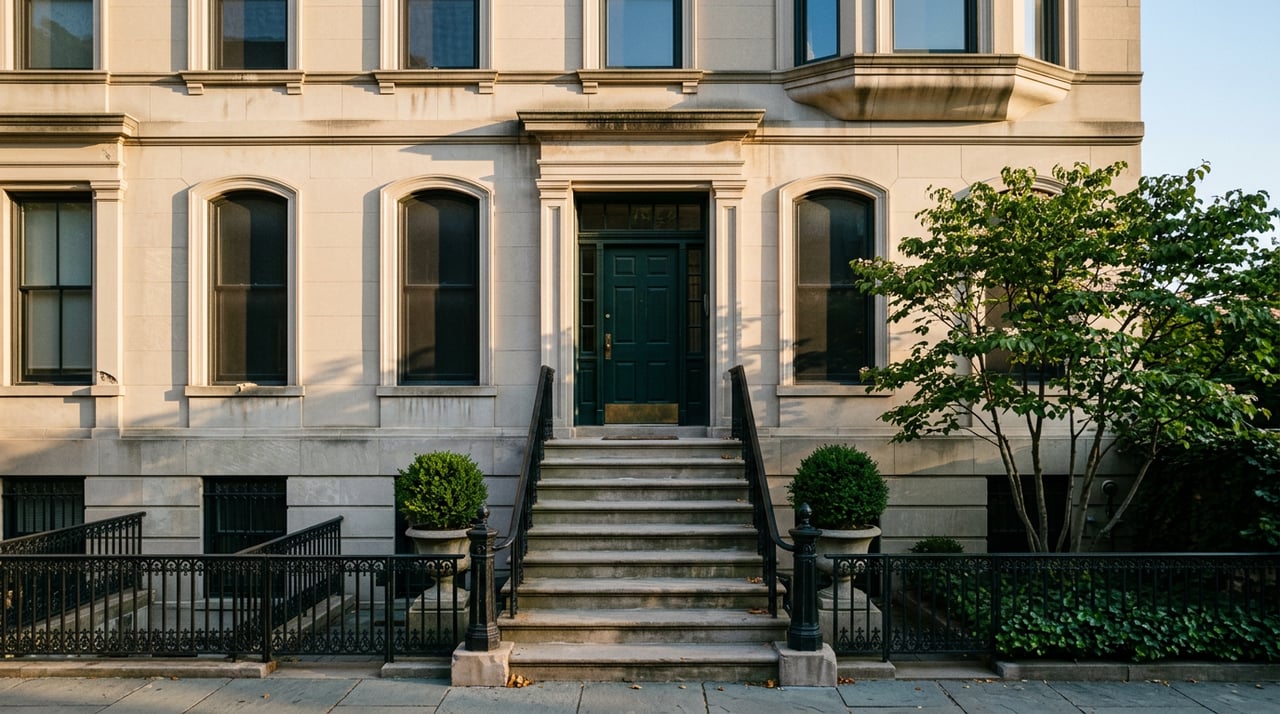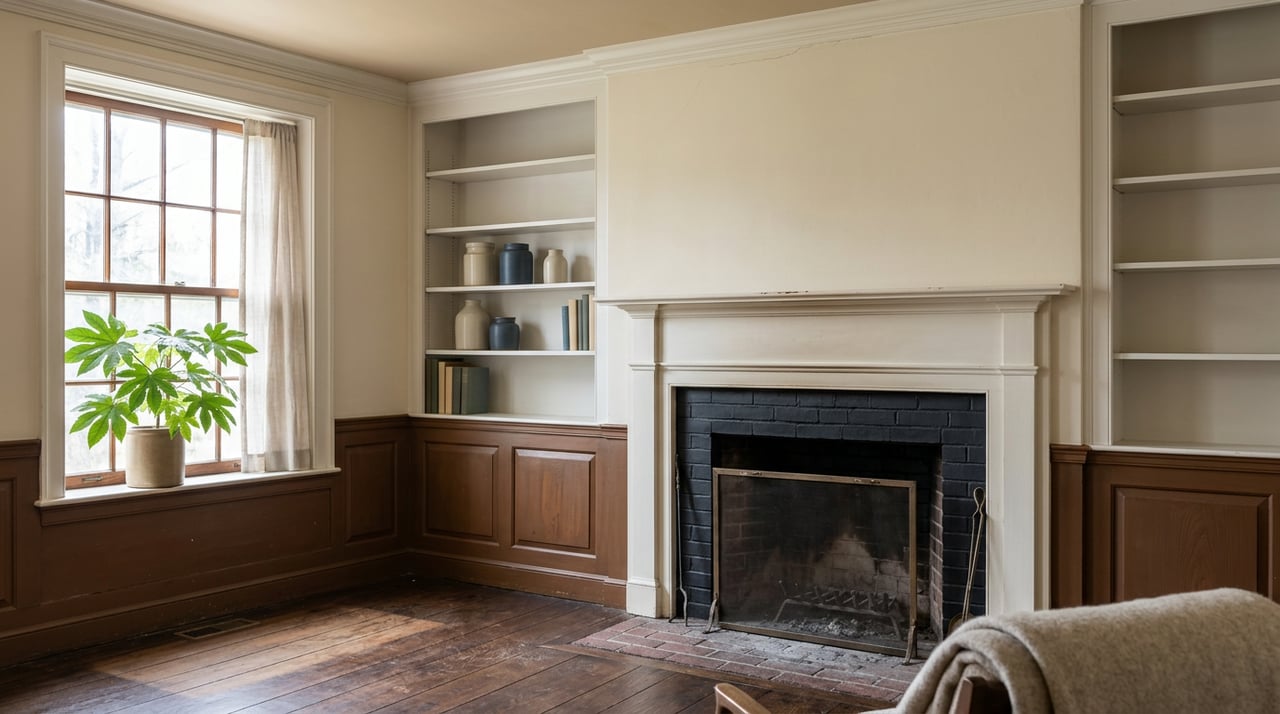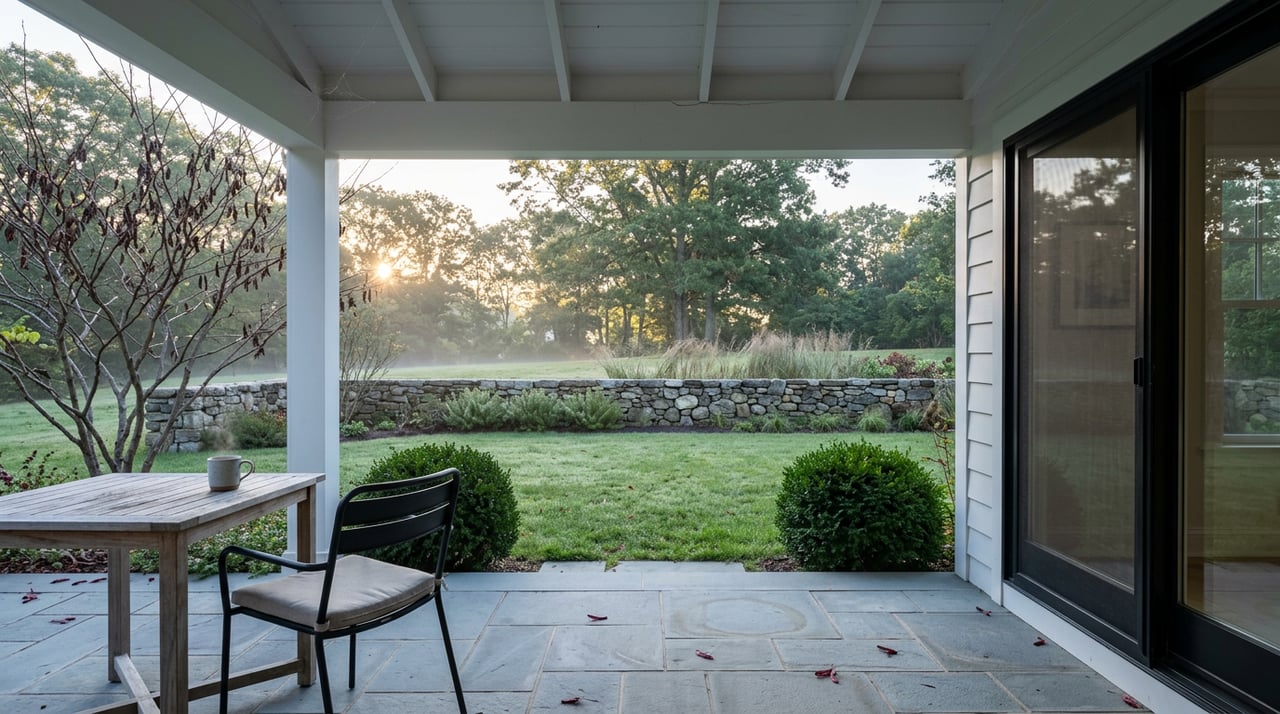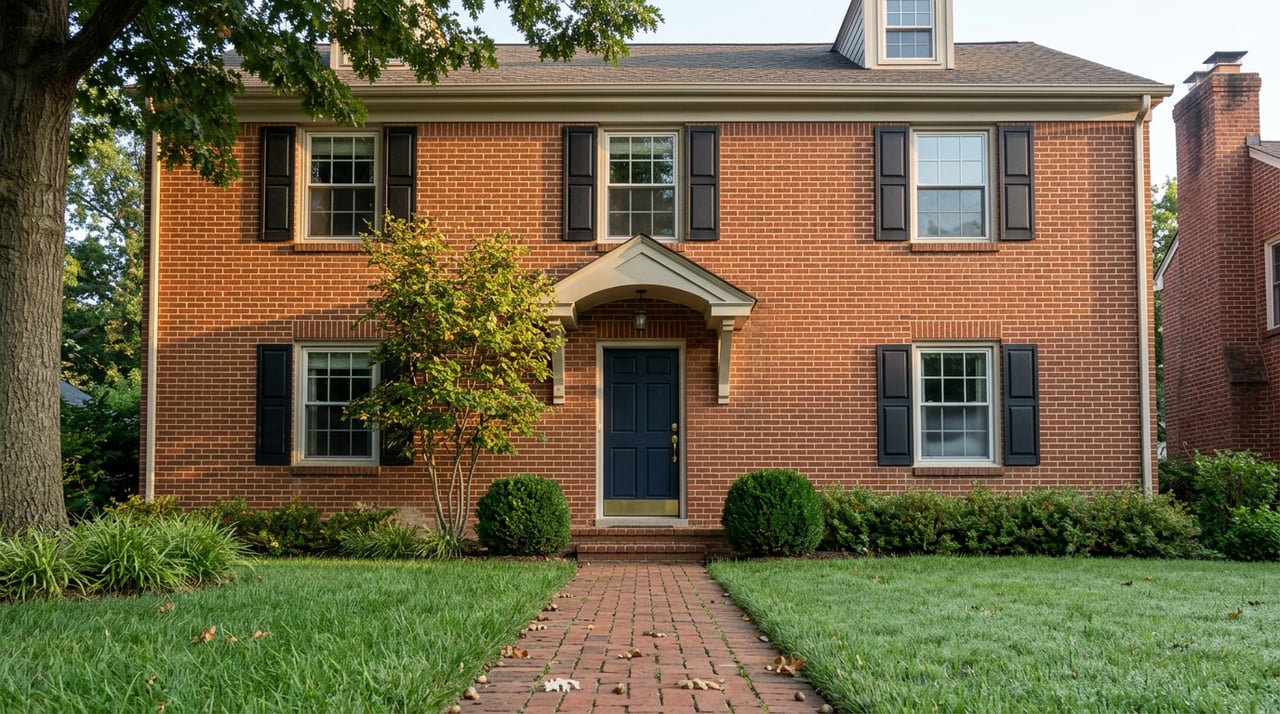
Looking at a Georgetown condo in a historic building? You are not just buying square footage. You are buying into a very specific mix of architecture, rules, monthly costs, and day-to-day tradeoffs that can feel very different from buying a newer condo elsewhere in DC. If you understand how historic review, condo documents, parking, and building expenses work before you write an offer, you can shop with a lot more confidence. Let’s dive in.
Why Georgetown condos stand out
Georgetown is not a typical condo market. Its historic district was created in 1950, making it the first historic district in Washington, and exterior work follows review procedures that are distinct from much of the rest of DC. That matters because the building itself can shape what you can change later.
Price is part of the story too. Zillow puts the average home value in 20007 at about $1.28 million, while Redfin shows Georgetown’s median sale price around $1.6 million. In other words, buyers are often paying a premium for location, architecture, and limited inventory.
The homes themselves also tend to be less predictable than newer condos. In Georgetown, you may see a pre-war one-bedroom with more than 1,000 square feet, a three-level two-bedroom with garage parking, or a historic unit with cathedral ceilings and multiple exposures. That variety is a big draw, but it also means you should expect unusual layouts, vertical living, and details that do not fit a standard condo checklist.
What historic building ownership really means
Buying in a historic Georgetown building often appeals to buyers who want character and a walkable urban setting. The flip side is that exterior customization can be harder than many buyers expect. If your dream is to make visible changes quickly and freely, Georgetown may feel more restrictive.
Most visible exterior work in Georgetown is reviewed by the Commission of Fine Arts and the Old Georgetown Board. Exterior work that is not visible from public space is generally handled through the Historic Preservation Review Board and Historic Preservation Office. By law, the Old Georgetown Board focuses on exterior architectural features, height, appearance, color, and material texture.
That means changes to windows, facades, rooflines, and additions can take time and may face design limits. Georgetown projects also tend to attract public attention, and ANC 2E, community groups, and neighbors often participate in the review process. For major construction, applicants are typically encouraged to present to the ANC before going to the Old Georgetown Board.
Interior changes are usually easier
The good news is that most interior work is much simpler than exterior work. DC preservation rules say most interior alterations are not subject to preservation review unless the interior itself has been specifically designated as historic. For many buyers, that makes kitchen updates, bath remodels, and interior reconfiguration more realistic than exterior changes.
Some maintenance items are also exempt from preservation review. Routine historic window repair, including reglazing, caulking, weather-stripping, and hardware work, is generally exempt. Preservation guidance also emphasizes repair before replacement for historic windows, which is important if you are budgeting future maintenance.
There are also minor-work rules that can make some projects easier when they are not visible from a street or alley. Examples include certain roof replacements not visible from the ground, minor rear alterations not visible from an alley, masonry repointing, and some temporary work. If you are considering a unit partly because of future improvement potential, this distinction matters.
Read condo documents carefully
In a Georgetown historic condo, the condo association can affect your ownership almost as much as the building’s age. DC law gives condo associations broad powers over common elements, fees, fines, and leasing. Associations may regulate use, maintenance, repair, replacement, or modification of common elements, charge for use of common elements, levy reasonable fines for rule violations, and reasonably restrict leasing.
This is one reason buyers should not assume a renovation plan is simple just because the space looks private. A balcony, terrace, window system, roof area, HVAC line, or storage space may not be unit property in the way you expect. The ownership and maintenance classification can shape what you can change, what you must pay for, and who must approve the work.
Under DC law, the association is responsible for common elements, while the individual owner is responsible for the unit. Owners also must provide reasonable access when the association needs to perform its duties. Before you move forward, verify whether key items are part of the unit, limited common elements, or common elements.
The resale package is essential in DC
If you are buying a condo in DC, the resale package is one of the most important sets of documents you will review. The seller must provide the condominium instruments and a certificate covering planned capital expenditures, reserves, the association’s financial condition and operating budget, pending lawsuits, insurance, and whether prior alterations violate the condominium instruments.
For buyers in older Georgetown buildings, those details matter even more. Older structures can have more complicated repair needs, insurance questions, and future capital projects. A pretty lobby or charming facade does not tell you whether the building is planning major work next year.
DC law also gives buyers a three-business-day cancellation right after receiving the documents, assuming they were not already delivered at contract signing. That window can be valuable if the documents reveal concerns about reserves, special assessments, insurance, or rule issues tied to the specific unit.
How to judge condo fees
Condo fees in Georgetown can vary a lot, and the monthly number alone does not tell you enough. Recent examples include a smaller unit with a $491 monthly HOA fee, a full-service three-level condo with garage parking and a $1,677 monthly HOA fee, and a waterfront listing with a $3,195 association fee. The right question is not just, “Is this fee high?” It is, “What does this fee include, and does the building’s budget support it?”
In some buildings, dues may cover utilities, reserves, front desk service, pool access, security, and building maintenance. In others, the fee may be lower but cover fewer expenses. Two condos can have very different dues for perfectly rational reasons, so your review should focus on both the monthly amount and the resale certificate details.
A simple comparison can help:
| What to Review | Why It Matters |
|---|---|
| Monthly condo fee | Shows your ongoing cost of ownership |
| Reserve levels | Helps you gauge building financial health |
| Planned capital work | Can signal future disruptions or costs |
| Included utilities or services | Explains what your monthly payment buys |
| Parking arrangement | Affects both convenience and total cost |
| Insurance details | Clarifies risk and deductible exposure |
Parking matters more in Georgetown
Parking and commuting deserve extra attention in Georgetown because the neighborhood has no Metro station, even though the Georgetown BID says two stations are within walking distance. If you are choosing between Georgetown and a rail-served part of DC, daily transportation can feel very different.
Some Georgetown condos include garage parking. Some offer parking for purchase separately. Others point buyers toward nearby monthly rental parking instead. This can change both your upfront cost and your monthly budget, so do not assume parking is included just because a building looks high-end.
If you plan to rely on street parking, check how DC’s resident parking permit program applies to your block. According to DC DMV, RPP applies only on designated blocks, and you do not need a permit if you have garage parking or do not park on a zoned residential street. Visitor parking also runs through ParkDC.
Insurance questions to ask early
Insurance is easy to overlook until there is a problem. DC law requires association insurance for common elements, and the bylaws must specify deductible responsibility. If damage starts in a unit and the bylaws do not say who pays, the unit owner can be responsible for the association deductible up to $5,000 if notice was given.
In an older building, this matters because repair scenarios can be more layered. Water intrusion, shared systems, older materials, and common element boundaries can all complicate who pays for what. Before you close, read the insurance section carefully and make sure you understand where the association’s policy stops and your responsibility begins.
Is a Georgetown historic condo the right fit?
A Georgetown historic condo can be a great fit if you value architecture, charm, and a walkable urban setting, and you are comfortable living within association rules and preservation review. Many buyers love the individuality of these homes because they feel distinct from newer, more uniform condo buildings.
It may be a weaker fit if you want easy exterior customization, abundant street parking, or a simple path to changing windows, adding a roof deck, or redesigning the facade. That does not make Georgetown a bad choice. It just means the neighborhood rewards buyers who appreciate character and can work within an older building’s framework.
The key is going in with clear expectations. When you understand the rules, the documents, and the true monthly cost of ownership, you can focus on finding a property that fits both your lifestyle and your long-term plans.
If you are comparing Georgetown condos or trying to decide whether a historic building fits your goals, working with a local agent who understands DC condo documents, neighborhood tradeoffs, and cross-market comparisons can make the process a lot smoother. To start your search with practical guidance, reach out to Bobby Pichtel.
FAQs
Can I change windows on a Georgetown historic condo?
- Usually, visible exterior window changes are harder and may require review, while routine window repair like reglazing, caulking, weather-stripping, and hardware work is generally exempt from preservation review.
How do I evaluate Georgetown condo fees?
- Review the resale certificate, reserve levels, planned capital expenditures, operating budget, included services, and parking details so you can judge whether the monthly dues match what the building actually provides.
Do Georgetown historic condos usually have parking?
- Parking varies by building. Some units include garage parking, some offer it for separate purchase, and some rely on nearby monthly rental parking.
Is interior renovation easier than exterior work in Georgetown?
- Yes. Most interior alterations are usually not subject to preservation review unless the interior has been specifically designated as historic.
What documents matter most when buying a DC condo in Georgetown?
- The resale package is critical because it covers condominium instruments, reserves, planned capital work, budget, insurance, pending lawsuits, and whether past alterations violate condo rules.