If you are getting ready to sell a Capitol Hill rowhouse, the goal is not to make it look brand new. The goal is to make it look well cared for, functional, and true to the character buyers expect in 20003. With historic review rules, compact room sizes, and a market where the median sale price recently reached $959,715, smart prep matters. Let’s dive in.
Start With Capitol Hill Context
Capitol Hill is one of Washington’s oldest residential neighborhoods, and its historic character is a big part of what draws buyers in. The Capitol Hill Historic District includes about 200 city squares and roughly 8,000 buildings, with architecture shaped heavily by intact 19th-century rowhouses.
That context matters when you prepare to sell. Buyers in this part of DC are often responding to original details, brick facades, front stoops, and period features that feel authentic to the home.
In 20003, Redfin reports a median sale price of $959,715, a median 47 days on market, an average of three offers, and a 101.0% sale-to-list ratio for the three months ending May 2026. That tells you the market can reward a well-prepared listing, but it also means your home should be ready before it goes live.
Focus on What Buyers See First
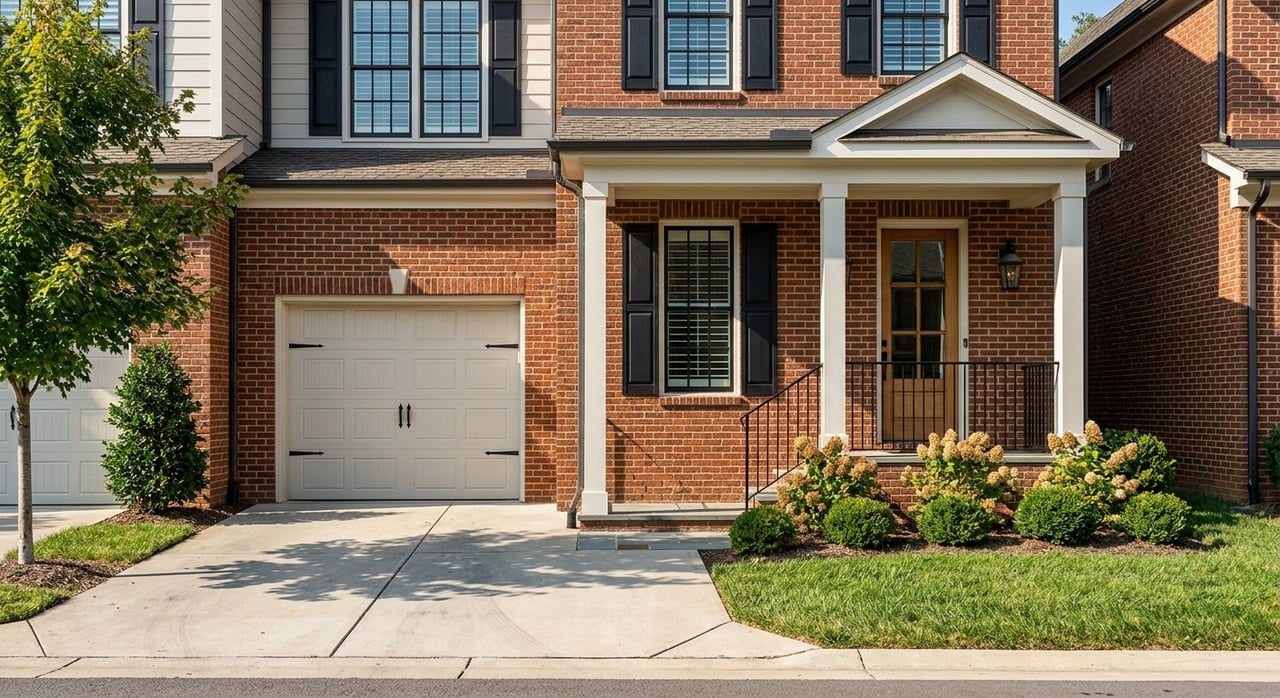
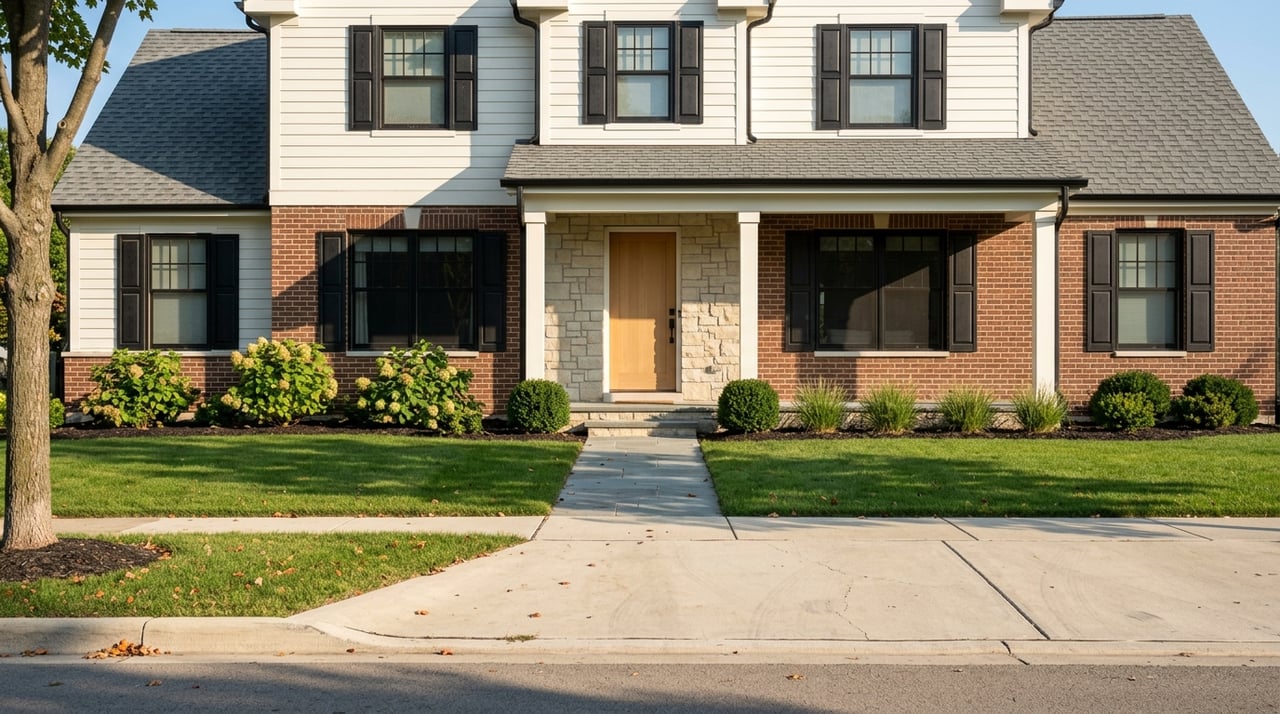
For a Capitol Hill rowhouse, curb appeal is not about dramatic reinvention. It is about presenting the front facade in a way that feels clean, intact, and historically appropriate.
The DC Office of Planning identifies front stoops, steps, and porches as important character-defining features in rowhouses like these. Many Victorian-era homes in Capitol Hill include period details such as cast-iron railings and stoops, so preserving and refreshing what is already there is usually the strongest move.
Refresh the Facade
Start with basic maintenance that improves appearance without changing the look of the house. DC says ordinary repairs, painting, and many window repairs are exempt from preservation review.
That can include:
- Repainting worn surfaces
- Repairing loose or damaged hardware
- Reglazing windows
- Caulking gaps
- Adding weather-stripping
- Cleaning and touching up trim
These updates can make the home look sharper without creating delays.
Prioritize the Stoop and Porch
Your front stoop does a lot of work in a Capitol Hill sale. It frames the entry, shapes first impressions, and signals how well the property has been maintained.
If railings, masonry, or porch details need work, repair is usually better than replacement with generic new materials. A tidy, freshly maintained stoop tends to support the architectural story buyers are hoping to find.
Avoid Last-Minute Front Alterations
Front-facing changes are where sellers can run into trouble. According to DC guidance, changes like new front porches, front porch enclosures, significant alterations to front window or door openings, and visible roof additions often require Historic Preservation Review Board review.
If you are close to your target list date, these larger changes can create timing risk. In most cases, it is smarter to preserve, repair, and clean the front of the home rather than trying to redesign it.
Know What Work Needs Review
One of the biggest mistakes sellers make is assuming every project is simple cosmetic work. In a historic district, the details matter.
The DC Office of Planning says historic-property owners use the standard building permit process with preservation review added as needed, and it encourages owners to contact the Historic Preservation Office before applying for a permit. More than 95% of preservation-review applications are handled through HPO’s expedited review process, which is helpful if you plan early.
Work Often Handled Faster
HPO expedited review can cover many repair-oriented projects, including:
- In-kind masonry, woodwork, or metalwork repair
- Roofing, gutters, and downspouts
- Window and door replacement in qualifying cases
- Basement areaways and window wells
- Rear porches and decks
- Fences and retaining walls
- Steps, walkways, and garden features
- Masonry pointing or cleaning that avoids damaging methods
If your project falls into this category, you may be able to improve the property without a long approval path.
Work That May Slow the Timeline
Some changes are more likely to require HPRB review, especially if they affect the street-facing appearance. That includes visible roof decks, new dormers, major front-entry changes, and front porch enclosures.
If you are unsure where your project falls, get clarity before you build your listing schedule. It is much easier to plan around the rules early than to explain a delay later.
Update the Interior Without Erasing Character
Inside the home, your job is to make the space feel bright, usable, and cared for. In a Capitol Hill rowhouse, that usually means highlighting period details instead of covering them up.
Original trim, doors, stair rails, and older wood floors often help the home stand out. When those details are cleaned, repaired, and presented well, they add warmth and credibility to the space.
Repair Before You Replace
DC’s window standards say historic windows should be repaired where possible. On primary elevations, they should be repaired unless repair is not reasonable, and if replacement is necessary, the new windows should match the historic design and visual qualities.
For sellers, that points to a practical strategy:
- Repair sticking or drafty windows
- Add weather-stripping where needed
- Consider storm windows if appropriate
- Refinish or repaint trim cleanly
- Keep original proportions and profiles intact
This approach supports both appearance and function.
Make Small Rooms Feel Purposeful
Capitol Hill rowhouses often have compact rooms, and that is not automatically a negative. A 2025 NAR study found that buyers were willing to accept a smaller home and smaller room sizes when other aspects of the property worked for them.
That means you do not need to apologize for scale. Instead, stage each room with a clear purpose and avoid oversized furniture that makes the layout feel tighter than it is.
Stage the Rooms That Matter Most
Staging can help buyers connect with the home. NAR’s 2025 staging report found that 83% of buyers’ agents said staging made it easier for buyers to visualize a property as a future home.
The most commonly staged rooms were:
- Living room
- Primary bedroom
- Dining room
If your budget is limited, start there. In a rowhouse, thoughtful staging can help buyers understand flow, furniture placement, and flexibility.
Use Light, Paint, and Scale Strategically
Many older rowhouses benefit from simple visual adjustments more than major renovation. Fresh paint, better lighting, and edited furniture can make the home feel more open while keeping its original character in place.
Choose paint colors that brighten the space without flattening architectural details. Then use lamps, overhead fixtures, and window treatments in a way that supports natural light instead of blocking it.
Furniture scale matters too. A slimmer sofa, smaller dining table, and fewer decorative pieces can make circulation easier and rooms feel more balanced.
Clean Up the Rear Outdoor Space
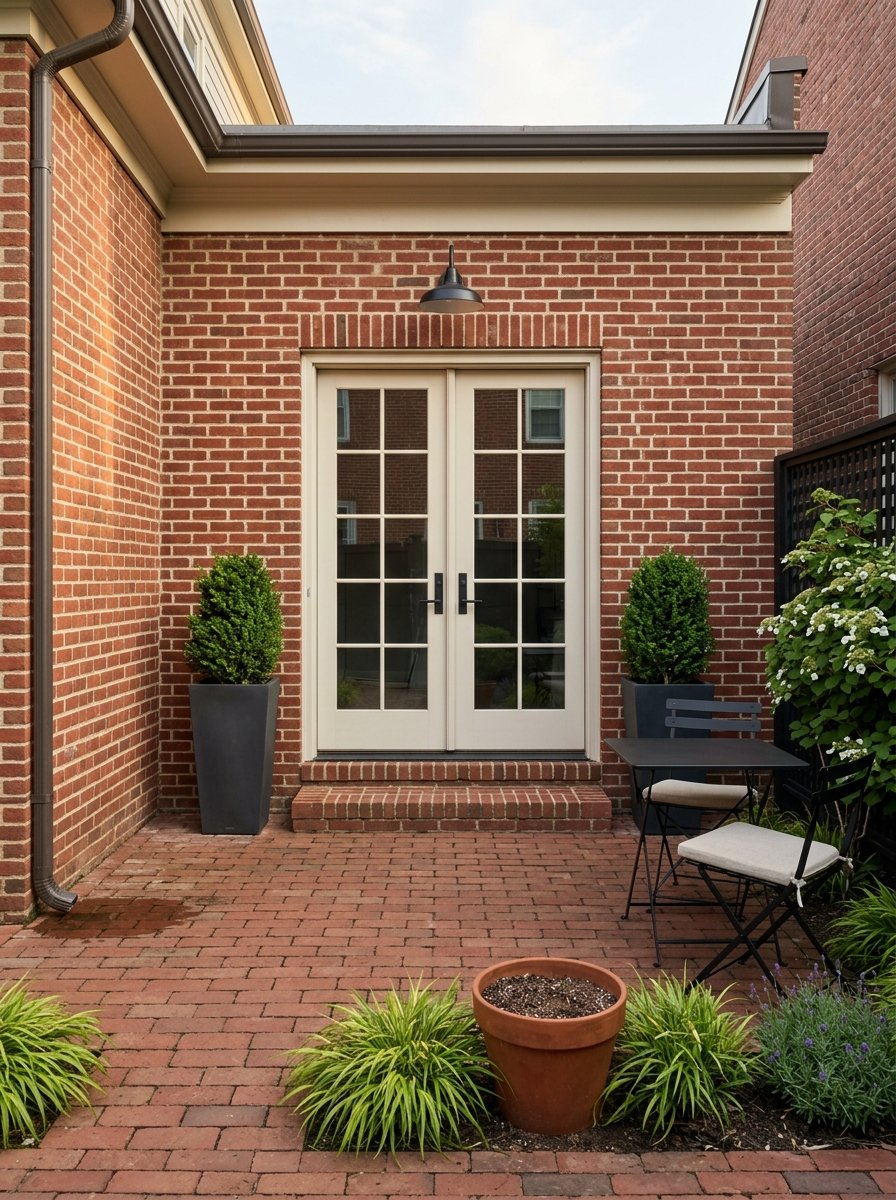
In many Capitol Hill homes, the rear outdoor area is one of the easiest places to improve presentation before listing. Buyers often value usable outdoor space, even if it is modest in size.
DC guidance shows that compatible rear porches, decks, fences, retaining walls, steps, walkways, patios, and similar site features can often be handled through expedited review when they do not affect historic character. But close to list date, cleanup and repair are usually more realistic than a major redesign.
Focus on Simple Wins Outside
Before listing, consider:
- Power washing hard surfaces if appropriate
- Repairing loose fencing or gates
- Tidying planting beds
- Adding fresh mulch or simple greenery
- Cleaning outdoor furniture
- Defining a small seating or dining area
A neat rear patio or garden can help buyers picture daily use without distracting from the house itself.
Build a Smart Listing Timeline
Timing matters in a historic district. If your prep plan includes exterior work, do not wait until the listing is nearly ready to address review questions.
A practical sequence is to complete exempt maintenance first, decide whether any exterior work needs HPO input, and then schedule photography and launch. If the project goes beyond basic cosmetics, concept review can help surface issues early before deeper planning begins.
With 20003 showing a median 47 days on market, pre-listing preparation is usually worth the effort. A rowhouse that hits the market fully buttoned up is easier to photograph, easier to show, and easier for buyers to trust.
A Practical Prep Checklist
If you want a simple way to organize your next steps, start here:
- Inspect the front facade, stoop, railings, and entry
- Complete exempt maintenance like paint touch-ups and ordinary repairs
- Identify any exterior work that may need HPO input
- Repair original windows and trim where possible
- Deep clean floors, walls, and architectural details
- Stage the living room, primary bedroom, and dining room first
- Edit furniture to fit room scale
- Refresh rear outdoor areas with cleanup and light repairs
- Schedule photos only after the home is fully ready
The best Capitol Hill listing prep is rarely flashy. It is disciplined, location-aware, and respectful of what makes the home special.
If you are planning to sell a rowhouse in Capitol Hill or elsewhere in the DMV, Bobby Pichtel can help you build a smart prep strategy, price confidently, and bring your home to market with a clear plan.
FAQs
What should you fix before selling a Capitol Hill rowhouse?
- Focus first on ordinary repairs, paint touch-ups, window maintenance, lighting, cleaning, and repairs to the front stoop or porch details that preserve the home’s historic character.
Do you need historic approval to prepare a Capitol Hill rowhouse for sale?
- Not always. DC says ordinary repairs, painting, many window repairs, and most interior alterations are exempt from preservation review, but larger exterior changes may require HPO or HPRB review.
How important is staging when selling a rowhouse in 20003?
- Staging can be very helpful because it helps buyers visualize how to use compact rooms. NAR reported that 83% of buyers’ agents said staging made that easier.
Should you replace old windows before listing a Capitol Hill home?
- Usually, repair should come first. DC’s standards say historic windows should be repaired where possible, especially on primary elevations, with replacement used only when repair is not reasonable.
What exterior projects are riskiest close to list date in Capitol Hill?
- Front-facing changes like new front porches, front porch enclosures, major entry changes, visible dormers, and street-visible roof additions can slow your timeline because they may require HPRB review.