Choosing between Old Town Alexandria and Arlington is one of the most common decisions DC commuters face. You want a neighborhood that fits your budget, keeps your commute predictable, and aligns with how you live day to day. This guide gives you a clear, side‑by‑side look at housing, transit, parking, and lifestyle so you can feel confident about your shortlist. Let’s dive in.
Quick take: what fits your DC commute
- If you love historic charm and a waterfront vibe, Old Town Alexandria delivers with brick rowhouses, boutique condos, and strong walkability. It is a premium market with medians in roughly the low to mid seven figures, varying by unit type.
- If you want more new construction, a wider range of condos, and dense, transit‑oriented living, Arlington’s corridors (Rosslyn–Ballston and National Landing) offer broader inventory and typically lower median prices for condos compared with Old Town.
- For rail commutes, both areas are strong. Old Town ties into Blue/Yellow at King Street–Old Town and to VRE for Union Station access. Arlington’s Rosslyn–Ballston corridor serves Orange/Silver with frequent service and many walkable station areas.
- Parking rules differ by jurisdiction. Old Town uses City meters, garages, and a Residential Permit Parking program. Arlington has an established RPP program plus more building garages along the corridors.
Housing types and price patterns
Old Town Alexandria
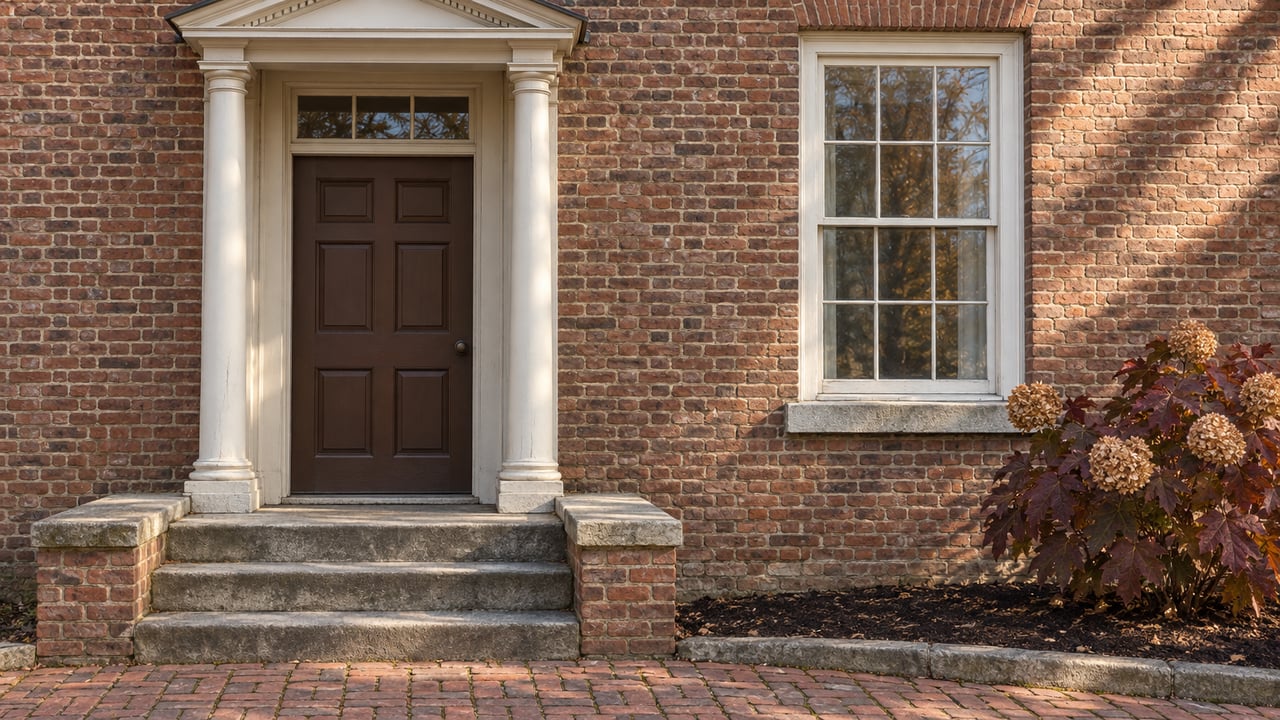
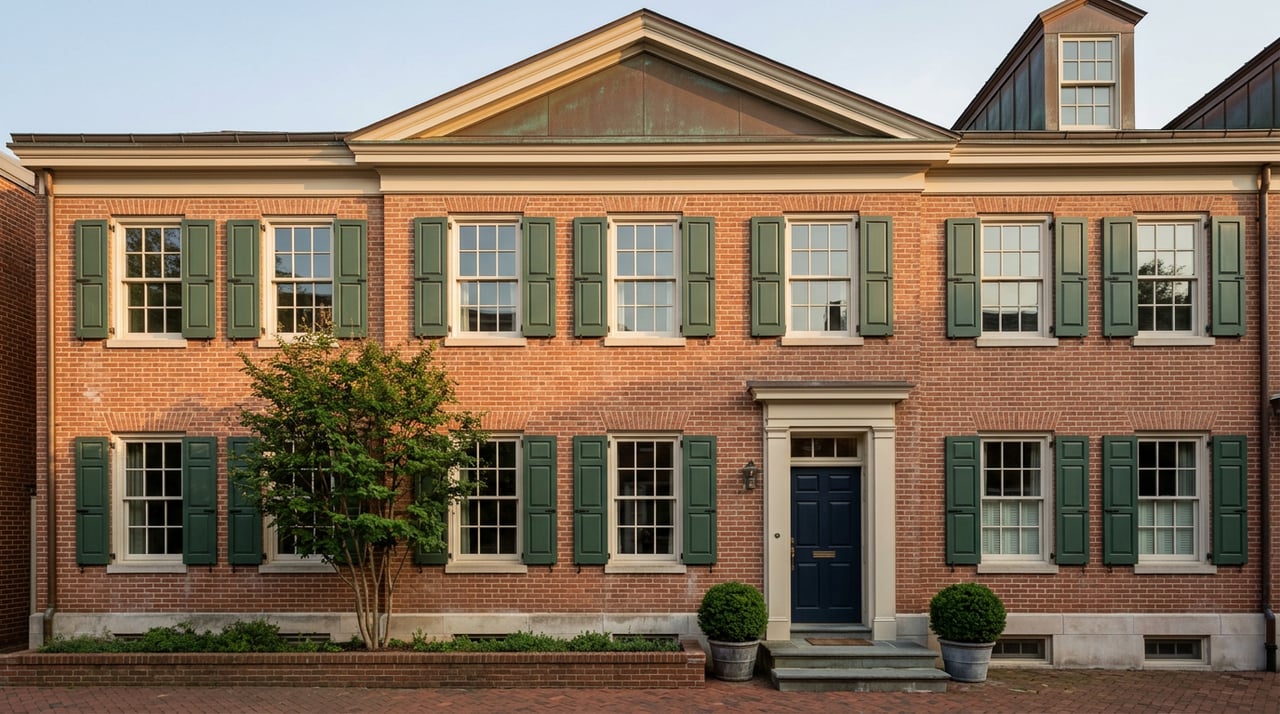
Expect a classic streetscape with 18th to 19th‑century brick rowhouses, tight urban blocks, and a mix of low‑ to mid‑rise condo buildings. Much of the core sits within a protected historic area, which shapes what you can change on a façade and helps preserve character. If you want true Old Town charm, supply is finite and competition can be real. You can learn more about Old Town’s preserved sites through the city’s overview of Alexandria sites on the National Register of Historic Places.
Recent neighborhood snapshots place Old Town medians roughly between $1.0M and $1.4M, with unit type and condition driving big swings. Rowhouses and townhomes tend to command a premium. Condos can bring the entry price down but still trade at a healthy price per square foot due to the location and walkability.
What this means for you: if you want a historic rowhome near King Street, plan a premium budget and expect to move decisively. If you are open to a smaller condo footprint, you can access the neighborhood at a lower purchase price.
Arlington corridors: Rosslyn–Ballston and National Landing
Arlington’s urban corridors are intentionally dense, mixed‑use, and transit‑oriented. The Rosslyn–Ballston corridor is a long‑running model for smart growth with mid‑ and high‑rise buildings and lively urban villages. Get a feel for the planning context through Arlington’s overview of the Rosslyn–Ballston Corridor.
Inventory here leans newer and more vertical. You will find high‑rise condos, apartments, and townhouses in adjacent blocks, plus ongoing infill and some office‑to‑residential conversions. Neighborhood medians in Clarendon‑Courthouse have recently landed in the mid to high $600Ks for many condos, while larger townhouses and select single‑family pockets rise into higher ranges. Buyers often trade lower purchase prices for smaller unit sizes and a condo lifestyle with building amenities.
In National Landing, large mixed‑use development and ongoing investment continue to evolve the area. For context on the neighborhood’s direction, check Arlington Economic Development’s National Landing overview.
Transit and door‑to‑door commute
Metrorail overview
- Old Town Alexandria: King Street–Old Town sits on the Blue/Yellow lines, connecting you directly into Arlington and DC. The station is also adjacent to the Alexandria Amtrak and VRE platforms. Learn more about planned access improvements via the City’s King Street–Old Town Metro access project.
- Arlington corridors: Rosslyn–Ballston is served by Orange/Silver (Ballston, Virginia Square, Clarendon, Courthouse, Rosslyn) with frequent trains and short hops into central DC. National Landing’s Crystal City and Pentagon City stations sit on Blue/Yellow and are close to the airport.
Typical rail times vary by your exact DC destination, walking time, and whether you transfer. From King Street–Old Town, single‑seat rides into central DC often fall in the 20 to 40 minute range, with transfers and wait times adding variance. For the most accurate door‑to‑door plan, use WMATA’s trip tools and station pages like the Ballston station guide.
VRE from Alexandria to Union Station
If your office is by Union Station or the East End, VRE can be a smart alternative. Alexandria’s VRE platform is adjacent to King Street–Old Town. Many inbound morning trains run directly to Union Station, and schedules are designed around peak commuting windows. Review current timetables and guidance on the VRE site’s schedules page.
What this means for you: If you can walk to King Street–Old Town and your DC hub is near Union Station, VRE may be the fastest, most predictable rail option. Just keep in mind it is a peak‑oriented schedule rather than an all‑day frequent service.
Bike routes and water connections
- Bike: Old Town connects directly to the Mount Vernon Trail, a popular, scenic route along the Potomac that links to Arlington and into DC. See TrailLink’s overview of the Mount Vernon Trail for a route summary. Arlington’s trail network, including the Custis and Four Mile Run connections, makes many neighborhoods bike‑commutable to Rosslyn and the bridges.
- Water: Seasonal water taxi services connect Old Town with select DC and regional destinations along the river. It is a niche option for commuters but a great convenience for certain direct trips and off‑peak travel.
Parking, permits, and driving
On‑street permits and visitor passes
Parking policy differs by jurisdiction and can shape daily life, especially if you own two cars or host frequent visitors.
- Old Town Alexandria: The City manages Residential Permit Parking (RPP) in many Old Town blocks. There are also municipal garages and meters near King Street and the waterfront. Review current rules, visitor options, and fees on the City’s Residential Permit Parking facts page.
- Arlington corridors: Arlington’s RPP program sets permit caps per household, visitor pass rules, and fees. Many corridor buildings include on‑site garage parking, but on‑street rules still matter on adjacent blocks. You can reference the County’s RPP details in the motor vehicles and traffic chapter of the Arlington County Code.
Garages and car ownership
In Arlington’s Rosslyn–Ballston and National Landing nodes, public and private garage capacity is tied to larger office and residential buildings, making it easier to secure a deeded or leased spot with a condo. In Old Town, long‑term car ownership often relies on assigned building parking, a townhouse space, or careful use of RPP permits and visitor passes. The City’s RPP page also links to garage maps and current policies for downtown parking.
Driving times at a glance
Average commute times provide context, but they are not a substitute for live traffic. Recent ACS QuickFacts show a mean travel time to work of about 26.2 minutes in Arlington County and about 28.4 minutes in the City of Alexandria. Use that as a high‑level guide only, and rely on live mapping tools to test your specific route at your commute times. See the Arlington page on U.S. Census QuickFacts for reference.
Lifestyle and neighborhood feel
Old Town’s historic, small‑city energy
Old Town offers a walkable grid, a vibrant King Street retail and dining spine, and waterfront parks. The historic streetscape and preservation controls keep the character consistent, which appeals if you want that classic brick‑and‑cobblestone look. It feels like a compact, independent small city right next to DC, with easy access to Metro, VRE, and the Mount Vernon Trail. For preservation background, the City’s historic registry page is a helpful primer.
Arlington’s urban villages and skyline
Rosslyn, Courthouse, Clarendon, Virginia Square, and Ballston give you dense urban living with retail, restaurants, offices, and frequent train service. Rosslyn’s skyline and multiple bridges make DC access feel instant. Clarendon and Ballston offer lively main streets and newer condo buildings that trade space for convenience. In National Landing, large‑scale projects and major employers have spurred investment and mixed‑use growth, detailed in the County’s Rosslyn–Ballston Corridor overview and the economic development team’s National Landing profile.
Who thrives where: a quick checklist
Use these prompts to match your priorities with the right neighborhood fit.
- Commute target in DC: Where exactly is your office? If you work west of the Mall, the Rosslyn–Ballston corridor often gives you the shortest single‑seat ride on Orange/Silver. If you are near Union Station or the East End, VRE from Alexandria may be the fastest rail option. Confirm with WMATA’s station tools like Ballston’s guide and current VRE schedules.
- Budget and unit type: A historic rowhouse in Old Town will usually cost more than a similarly sized condo in Clarendon. If you prioritize newer building amenities, Arlington’s corridors give you more choice in mid‑ and high‑rise condos. If you want historic character and will trade some square footage for charm and location, Old Town is your lane.
- Parking tolerance: Need two guaranteed spots or okay with one garage space and a street permit? Old Town relies on RPP rules, meters, and municipal garages. Arlington corridors often pair a building garage with neighborhood RPP on surrounding blocks. Start with the City’s RPP facts and compare to Arlington’s RPP code details.
- Biking and walkability: If you plan to bike to DC, Old Town plus the Mount Vernon Trail is a direct and scenic route. Arlington’s corridors connect smoothly to the trail network and river crossings. Review TrailLink’s summary of the Mount Vernon Trail and scout end‑of‑trip facilities like secure racks or showers when you tour buildings.
How to choose with confidence
- Map your exact commute. Test at your real departure times using Metro and VRE schedules, and stress test with a transfer or delay baked in.
- Define your must‑haves. Historic architecture, building amenities, a second parking space, or a five‑minute walk to a station will narrow your options fast.
- Align budget with unit type. If your target is a two‑bed condo under a specific threshold, Arlington’s corridors may give you more choices. If a rowhouse is the dream, plan a premium budget in Old Town.
- Tour both on the same day. Feel the difference between Old Town’s small‑city energy and Arlington’s vertical urban villages.
- Verify parking and HOA details. Ask for RPP eligibility, garage deed information, guest parking rules, and any building policies that affect your day‑to‑day.
Ready to see how this plays out in real listings and real commute times? Get tailored guidance across both markets with Bobby Pichtel. You will get local intel, fast communication, and a clear plan to compete and win in either Old Town or Arlington.
FAQs
Is Old Town or Arlington faster for a DC commute near Farragut Square?
- If you work near Farragut, Orange/Silver from Arlington’s Rosslyn–Ballston corridor often produces a shorter rail ride, but always confirm with WMATA’s trip tools for your exact time.
How do condo prices compare between Old Town and Clarendon?
- Neighborhood snapshots show Old Town as a premium market while Clarendon‑area condos often post lower medians; verify with current comps before you write an offer.
Can I use VRE daily from Alexandria to Union Station?
- Yes, many riders use peak‑direction VRE trains for a direct Alexandria to Union Station commute; check current timetables on the VRE schedules page.
What should I know about parking permits in Old Town vs Arlington?
- Old Town uses a City RPP program with visitor options, while Arlington’s RPP sets permit caps and visitor rules; review each jurisdiction’s current guidelines before you buy.
Is biking from Old Town to DC realistic for daily commuting?
- Yes, the Mount Vernon Trail links Old Town to DC and Arlington; test the route and check end‑of‑trip facilities like secure bike rooms in candidate buildings.