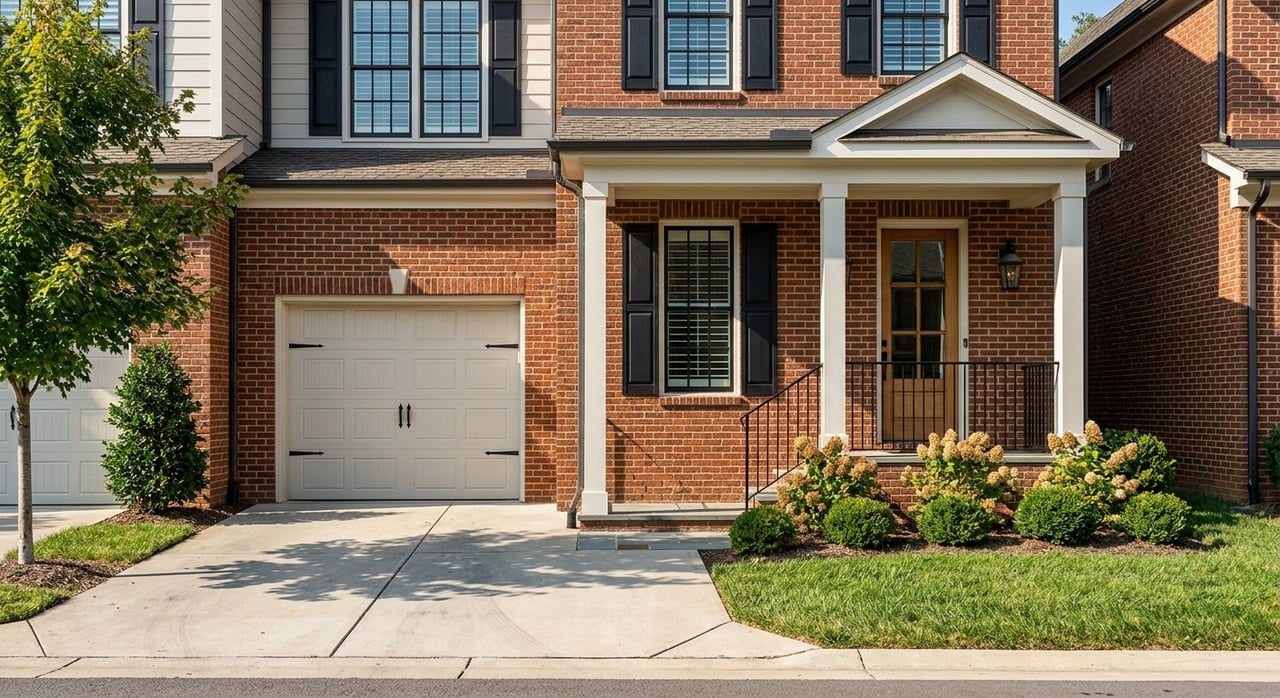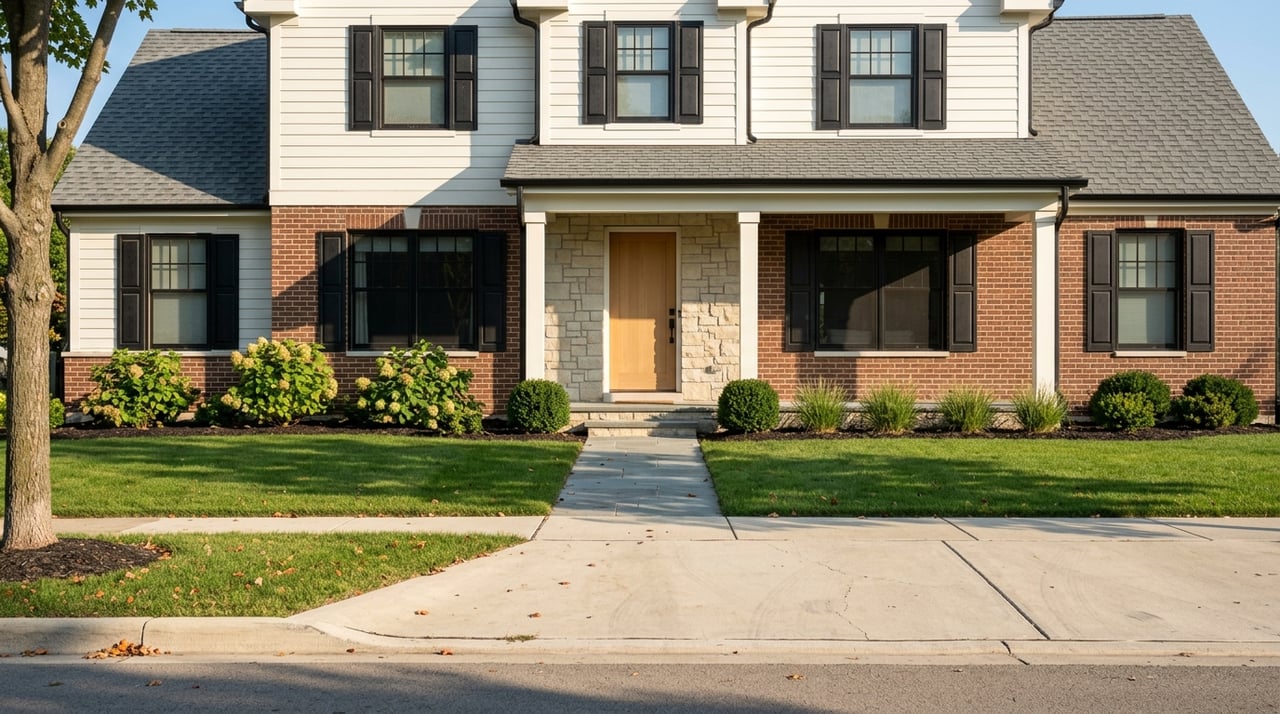
Wondering whether you should sell your Capitol Hill home before buying the next one? You are not alone. This is one of the biggest timing questions homeowners face, especially when mortgage rates, carrying costs, and local market pace can all affect your options. The good news is that with the right plan, you can choose the path that fits your finances and your risk tolerance. Let’s break it down.
Sell First or Buy First?
For many Capitol Hill homeowners, selling first is usually the safer default. The main reason is simple: selling first can help you turn your current equity into cash for your next down payment, clarify your budget, and reduce the risk of paying for two homes at once.
That cautious approach lines up with guidance from the Consumer Financial Protection Bureau, which notes that if you are moving, you would normally try to sell your current home before buying another one. In a market where timing can vary from one listing to the next, that extra certainty matters.
What the Capitol Hill Market Looks Like
Before you decide, it helps to understand what the current market is doing in Capitol Hill and the broader 20003 ZIP code.
According to Redfin’s Capitol Hill housing market data, the median sale price was $825,000 in March 2026, with a median of 73 days on market. In the broader 20003 ZIP, Redfin reported a $910,000 median sale price and 91 median days on market. Redfin characterizes both areas as somewhat competitive, and it also notes that some hot homes can go pending in as little as 17 to 19 days.
Meanwhile, Realtor.com’s 20003 market snapshot shows 140 homes for sale, a median list price of $680,000, and 81 median days on market, while describing the ZIP as buyer-favorable. These figures are not necessarily in conflict. Redfin focuses on sold data, while Realtor.com reflects active listings and inventory.
The takeaway is this: Capitol Hill is not moving at one uniform speed. Some homes move quickly, while others take longer. That makes planning especially important if you are trying to line up two transactions.
Why Selling First Often Makes More Sense
You can unlock equity first
If a large part of your next down payment is tied up in your current home, selling first gives you a clearer financial picture. You will know your likely net proceeds before you start writing offers on the next place.
That clarity can help you shop with more confidence and avoid stretching beyond what feels comfortable.
You can avoid overlapping housing costs
Mortgage rates still matter when you are deciding whether you can carry two homes at once. Freddie Mac reported a 30-year fixed rate of 6.30% on April 16, 2026, which means financing costs remain a real part of the decision.
If you buy first and your current home takes longer to sell, you could be juggling two mortgage payments, taxes, insurance, utilities, and maintenance at the same time. For many households, that is the biggest risk in a buy-first plan.
You can budget around transaction costs
Selling and buying both come with expenses beyond the purchase price. The CFPB says closing costs typically run about 2% to 5% of the purchase price, and DC’s transfer tax structure adds another cost to factor in. According to the DC Recorder of Deeds information cited in the research, residential transfer tax is 1.1% below $400,000 or 1.45% at $400,000 and above.
At typical Capitol Hill price points, those costs are meaningful. Selling first can make it much easier to calculate what you will actually have available for your next purchase.
When Buying First Can Work
Buying first is not always wrong. In some cases, it can be the better move. But it usually works best when your finances are strong and the next home is especially hard to replace.
For example, if you have substantial equity, strong cash reserves, and income that supports an overlap period, you may have more flexibility. If the right home comes up and options are limited, a buy-first strategy might be worth exploring.
Bridge financing and equity access
Fannie Mae’s guidance allows bridge-loan funds to be used to close on a new principal residence before your current home sells. But there is an important catch: the bridge-loan payment is generally treated as a recurring debt obligation in your debt-to-income ratio unless documentation supports an exception.
The CFPB also explains that a HELOC lets you borrow against your home equity, but it should be approached carefully. If you cannot keep up with the payments, you could put your home at risk.
In practical terms, that means a buy-first plan tends to fit homeowners who can comfortably carry two housing costs for a period of time and still qualify with a lender on paper.
A Realistic Capitol Hill Timeline
One of the biggest mistakes homeowners make is assuming both transactions will line up perfectly. Usually, they do not. That is why it helps to map out a range instead of hoping for ideal timing.
A practical sell-first model in Capitol Hill looks something like this:
- 2 to 4 weeks to prepare the home, complete any light updates, and list
- About 73 days on market based on Capitol Hill median sold timing from Redfin
- About 30 to 45 days from contract to closing
That creates an estimated 3.5 to 4 month path from listing to closing. If your home tracks closer to the broader 20003 median of 91 days on market, the timeline can stretch closer to 4 to 4.5 months.
There is also a faster scenario. Redfin reports that some hot homes in Capitol Hill can go pending in 17 days, and some in 20003 in 19 days. Add a 30 to 45 day closing period, and your best-case path could be roughly 7 to 9 weeks.
These are planning estimates, not guarantees. Still, they give you a much better framework than guessing.
Four Questions to Ask Yourself
If you are trying to decide whether to sell before buying, these four questions can help guide the decision.
How quickly is your current home likely to sell?
A well-prepared home in a desirable price band may move faster than the local median. But if your home may need more time, a sell-first strategy usually reduces risk.
The more uncertainty there is around sale timing, the more valuable it becomes to lock in your proceeds before committing to the next purchase.
How much liquid cash will you have?
Think beyond your estimated sale price. You also need to account for mortgage payoff, closing costs, and transfer tax.
If your next purchase depends heavily on sale proceeds, selling first can help keep your plan grounded in real numbers.
Can you qualify if both homes overlap?
This is one of the most important questions in a buy-first scenario. Lenders look at income, assets, employment, savings, monthly debts, credit report, and credit score when deciding whether to lend, according to the CFPB.
If carrying both homes would put pressure on your debt-to-income ratio or monthly cash flow, selling first may be the more practical route.
How competitive will your next purchase be?
On the buying side, your offer structure matters. The CFPB recommends making purchase offers contingent on financing and inspection through its home shopping guidance. At the same time, recent Capitol Hill examples cited by Redfin show that sellers may prefer fully verified pre-approvals and sometimes stronger offer terms.
If you expect to compete for a limited number of homes, having your current home sold can strengthen your position and simplify your financing story.
A Practical Recommendation for 20003 Homeowners
In today’s Capitol Hill and 20003 market, the safer answer for many homeowners is sell first, then buy. That approach can reduce uncertainty, free up equity, and help you avoid the stress of carrying two homes if your sale takes longer than expected.
A buy-first strategy can still make sense if you have substantial reserves, strong lending flexibility, and a replacement home that is difficult to find. But it works best when you are making that choice from a position of financial strength, not pressure.
If you are planning a move in Capitol Hill or anywhere in the DC metro area, the key is to build your strategy around your numbers, your timeline, and the likely pace of your specific home, not just broad market headlines. If you want help mapping out the smartest sequence for your move, Bobby Pichtel can help you evaluate timing, pricing, and next steps with a practical local plan.
FAQs
Should you sell your Capitol Hill home before buying another one?
- In many cases, yes. Selling first is often the lower-risk option because it gives you access to your equity, clarifies your budget, and can help you avoid overlapping housing costs.
How long does it take to sell a home in Capitol Hill, DC?
- Based on Redfin’s March 2026 data, the median time on market in Capitol Hill was 73 days, though some hot homes went pending in about 17 days. Your actual timeline can vary based on pricing, condition, and demand.
Can you buy a new home before selling your current Capitol Hill property?
- Yes, but it usually works best if you have strong cash reserves, substantial equity, and the ability to qualify while carrying both homes for a period of time.
What costs should Capitol Hill sellers budget for before buying again?
- You should account for your mortgage payoff, purchase closing costs, and transfer taxes. The CFPB says purchase closing costs often run 2% to 5% of the price, and DC transfer tax is 1.1% below $400,000 or 1.45% at $400,000 and above.
Is the 20003 market favorable for sellers or buyers right now?
- Current data suggests a mixed market. Redfin describes Capitol Hill and 20003 as somewhat competitive, while Realtor.com characterizes 20003 as buyer-favorable based on active listing conditions. That is why home-specific strategy matters so much.